


Posture in the Workplace
- posted: Sep. 06, 2023
Your posture, in general, says a lot about your health. Your posture in the workplace is an indication of how you feel while you are working. If you slouch and Read More

Chiropractic Care for Pain Management
- posted: Aug. 10, 2023
Chiropractic care is a natural and holistic way to help get pain relief and pain management. If you are looking of chiropractic care to help you get pain relief, we Read More

A Short Guide to Sports Injuries and Our Chiropractic Care
- posted: Jul. 11, 2023
Sports are often played for exercise, health, wellbeing and accomplishment. However, they can also be the source of injuries too. Sports drive people to voluntarily push their bodies beyond normal Read More

Workplace Ergonomics
- posted: Jun. 15, 2023
No matter what type of job you work, you could be at risk of injuring your back. That’s why it is important to follow proper workplace ergonomics. Our team at Read More

How Nutritional Guidance Enhances Your Massage Therapy
- posted: Oct. 28, 2022
While massage therapy is going to help you release toxins, adding in a good diet is going to make the release more substantial. At Back & Neck Care Chiropractic in Read More

How Massage Therapy Will Complement Your Chiropractic Care
- posted: Oct. 21, 2022
Massage therapy is an excellent complementary therapy for your chiropractic care. At Back & Neck Care Chiropractic in Vancouver, WA, we work closely with you to provide the care you Read More

April Is Stress Awareness Month
- posted: Jun. 07, 2022
Did you know that April is stress awareness month? Many people across the country deal with stress on a daily basis, and it can take a toll on your health Read More

How Massage Therapy Will Complement Your Chiropractic Care
- posted: May 02, 2022
Massage therapy and chiropractic care are two practices that both help patients naturally recover from pain or discomfort without the need for invasive procedures or medications. When combined together, chiropractic Read More
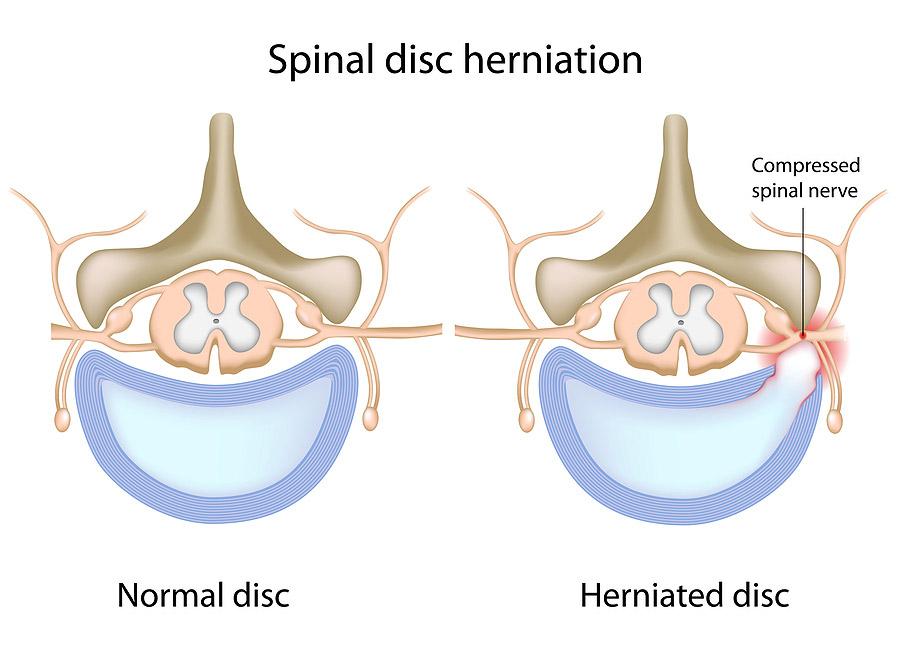
How to Know If You Have a Disc Herniation
- posted: Jan. 07, 2022
Spinal disc herniation can be incredibly painful, but it's hard to know if this is your ailment without seeing a chiropractor. This condition is characterized by disks between spinal vertebrae Read More


How a Chiropractor Can Help with Fibromyalgia
- posted: Nov. 23, 2021
Those with fibromyalgia can find relief for their symptoms through chiropractic care. Chiropractic care for fibromyalgia often involves a combination of therapy, exercises, and other holistic-based treatment methods. If you Read More

Sports Injury FAQs
- posted: Oct. 29, 2021
Sports injuries pose a threat to anyone who participates in physical activities. These injuries can diminish your quality of life and prevent you from participating in the activities you love. Read More

Sleep Apnea FAQs
- posted: Aug. 11, 2021
Sleep apnea is considered a sleep disorder in which can be severe. A person with sleep apnea usually consistently stops and starts breathing while sleeping. People who have sleep apnea typically Read More

Pinched Nerves FAQs
- posted: Jul. 13, 2021
A pinched nerve can disrupt your life with incessant pain. Fortunately, you can get pain relief through chiropractic care. These FAQs, compiled by Back & Neck Care Chiropractic in Vancouver, Read More

Deep Tissue Massage FAQs
- posted: Jun. 22, 2021
A deep tissue massage is a form of massage therapy often used to treat sore muscles. Our massage therapists at Back & Neck Care Chiropractic are trained and well-versed in Read More

Types of Migraines
- posted: Jun. 04, 2021
There are many types of migraines. To get relief from them, many migraine sufferers tend to take pain relieving medications. However, this is only a short-term solution, and it is Read More
Locations
11516 SE Mill Plain Blvd #2C
Vancouver, WA 98684, US
HOURS OF OPERATION
9:00 am - 6:00 pm
9:00 am - 5:00 pm
9:00 am - 6:00 pm
9:00 am - 6:00 pm
9:00 am - 5:00 pm
Closed
Closed
